Tree Details
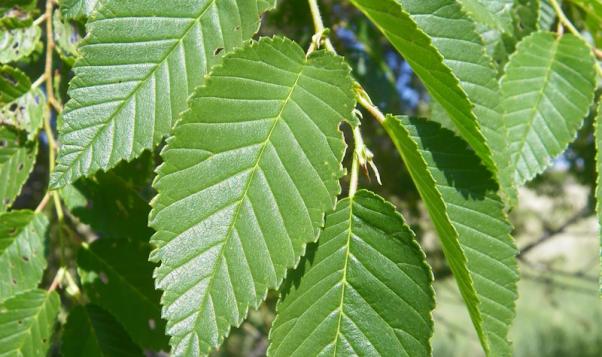
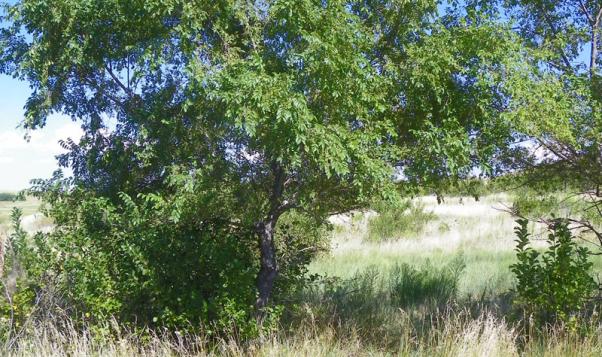
Siberian Elm
Siberian elm is sometimes called Chinese elm by mistake.
It is adapted to almost all soil and moisture conditions
in the state, but is usually short-lived. Siberian elm is
resistant to Dutch elm disease. The wood is brittle and
breaks in wind, snow and ice storms. Siberian elm should
be planted only on severe sites where other species are
likely to fail. Siberian elm can be invasive on pasture lands
in the central and east because of its prolific seeding.
Pest problems for the Siberian elm are elm leaf beetles
and wetwood (slimeflux).
Deciduous
Height at 20
24-40
Height at Maturity
26-42
Spacing Within Rows
0-20
Spacing Between Rows
20-30